
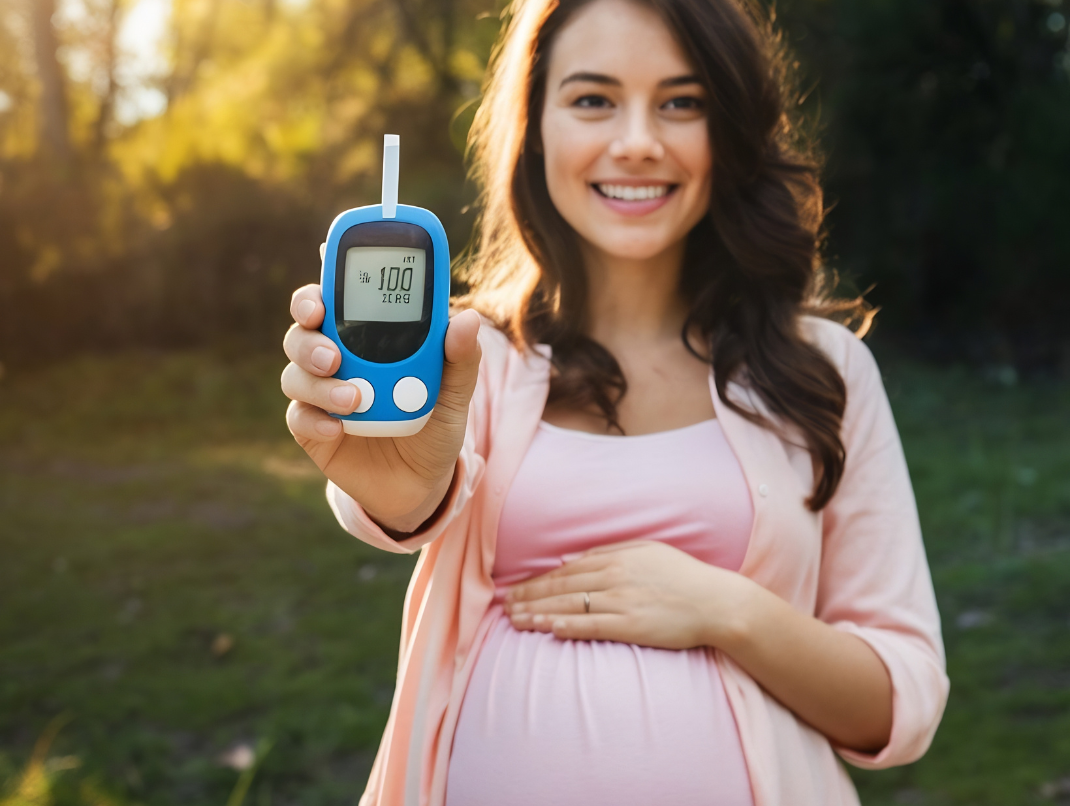
Gestational Diabetes Mellitus (GDM) is a form of high blood sugar diagnosed for the first time during pregnancy. It affects millions of mothers each year and, if unmanaged, can pose health risks to both mother and baby. At Dr. Raniya Ayurveda, the focus is on early detection, personalized care, and holistic support to ensure every mother experiences a safe and healthy pregnancy.
In 2025–26, major health organizations, including the World Health Organization (WHO) and global diabetes associations, emphasized updated standards of care for diabetes in pregnancy. These updates align well with Dr. Raniya Ayurveda’s approach to individualized care, early screening, and integrated management.
Global guidelines now recommend early and regular blood glucose monitoring throughout pregnancy.
Multidisciplinary care teams are encouraged, involving obstetricians, endocrinologists, dietitians, diabetes educators, and Ayurvedic practitioners at clinics like Dr. Raniya Ayurveda.
Personalized treatment targets based on each mother's risk profile and response to therapy.
At Dr. Raniya Ayurveda, early evaluation is recommended for mothers with the following risk factors:
History of GDM in a previous pregnancy
Family history of diabetes
High BMI or metabolic concerns
All pregnant women should be screened between 24–28 weeks of gestation, using glucose tolerance tests.
Diagnosis involves an Oral Glucose Tolerance Test (OGTT), where blood sugar levels are measured before and after consuming a glucose-rich drink.
Updated 2025–26 guidelines emphasize:
Standardized, validated testing protocols
Early testing for high-risk women
Clear documentation of glucose thresholds
Clinicians at Dr. Raniya Ayurveda ensure mothers receive precise evaluation and guidance throughout the process.
Nutrition remains the foundation of GDM care. At Dr. Raniya Ayurveda, meal plans are designed to include:
Controlled carbohydrate portions
Complex carbs like whole grains, legumes, and vegetables
Adequate proteins and healthy fats
Ayurvedic dietary guidance—such as warm, light, easily digestible meals—complements modern nutritional therapy.
Safe exercises such as walking and prenatal yoga help improve glucose utilization. These recommendations are integrated into pregnancy care programs at Dr. Raniya Ayurveda.
Regular home monitoring gives mothers insight into how diet, movement, and stress influence sugar levels. This is a key part of the structured pregnancy care offered at Dr. Raniya Ayurveda.
If diet and lifestyle changes are insufficient:
Metformin or insulin may be prescribed.
Insulin remains the safest option, as it does not cross the placenta.
Close monitoring during the third trimester guides safe delivery planning.
Well-controlled GDM may allow for natural labor around 38–40 weeks.
Delivery decisions are personalized based on fetal growth, maternal health, and glucose control—an approach followed at Dr. Raniya Ayurveda.
Gestational diabetes can increase long-term risk for type 2 diabetes. The 2026 recommendations encourage:
Postpartum glucose testing at 6–12 weeks
Continued monitoring every 1–3 years
Breastfeeding, which benefits both mother and child
At Dr. Raniya Ayurveda, mothers receive continuous guidance even after delivery.
Alongside medical care, Dr. Raniya Ayurveda integrates holistic Ayurvedic practices for pregnancy well-being:
Warm, gentle, easy-to-digest foods
Meditation, deep breathing, and stress reduction
Consistent sleep routines and hydration
All Ayurvedic recommendations are tailored to ensure safety and alignment with medical guidelines.
Early, risk-based screening
Multidisciplinary and personalized care
Nutrition and lifestyle as first-line treatment
Continuous glucose monitoring during pregnancy
Strong postpartum follow-up
With updated global guidelines and the holistic support provided at Dr. Raniya Ayurveda, mothers can successfully manage gestational diabetes and ensure a healthier future for themselves and their babies.
First Floor, Somanathapuram, Door No 4, 11B, Paper Mills Road, near Square Brothers Xerox, Kolathur, Tamil Nadu 600099.
First Floor, 241, Poonamallee High Rd, Maduravoyal, Chennai, Tamil Nadu 600095.
No. 63, HIG1, Ground Floor, Mogappair West Main Road, Nolambur, Chennai, Tamil Nadu 600037.

Copyrights All Rights Reserved Dr. Raniya Sulthana Ayurveda Multispeciality Clinic | Website Designed & Developed By GlintCreatives.com